

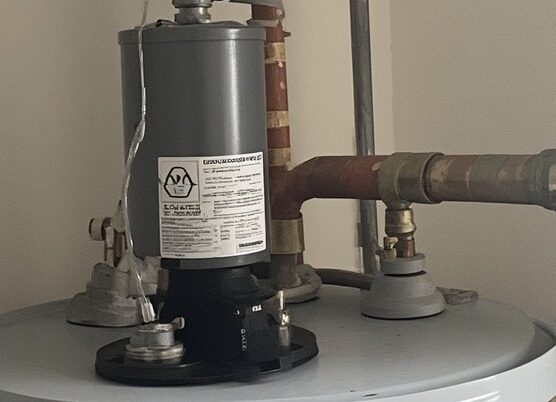
A dedicated return loop is best for new construction or major remodels, while a retrofit hot water recirculation pump is the better choice for existing slab homes in Baton Rouge. Both options provide faster hot water, but they differ in cost, installation needs, and efficiency.
In many Baton Rouge homes, it takes 30 seconds or more for hot water to reach the tap. This wastes time, money, and resources. Slab foundations, long pipe runs, and attic-mounted heaters make hot water delays a daily issue. Whether you're building new or want a faster solution without tearing into your walls, this guide breaks down your best options.
Inside, you'll find:
- How each system works
- A full list of recirculation pros and cons
- Control options (timers, sensors, smart features)
- Installation and operating costs
- A quick-fit table based on your home's layout
Call Cajun Maintenance at 225-372-2444 to discuss your plumbing problem with our nearby plumbers. We are licensed, insured, A+ BBB-rated, and experienced in installing every type of hot water recirculation pump in Baton Rouge.
Dedicated Return Loop
A dedicated return loop circulates unused hot water through a separate return pipe back to the water heater. This system provides instant hot water to every fixture, but it is most effective in homes where new plumbing can be added or exposed.
A dedicated return loop uses a third pipe - one for cold, one for hot, and a return line - to keep hot water moving in a loop between the water heater and your farthest fixture.
This system is often installed during new home construction, major remodels, or when full access to walls and floors is available. In Baton Rouge, it's more feasible in pier-and-beam homes or houses undergoing renovation, instead of slab-on-grade homes, unless you're already opening up concrete.
Key Components:
- Circulation pump: Located near the heater, often at the bottom of the loop.
- Check valve: Prevents backflow from the cold line.
- Insulated pipes: Minimize heat loss throughout the return loop.
- Control: Usually runs on a timer or temperature sensor to avoid running 24/7.
Benefits of Dedicated Return Loop:
- Instant hot water at every fixture
- Doesn’t affect cold water lines
- Best energy efficiency when paired with a timer/sensor
- Works well with both tank and tankless systems (with compatible pump controls)
Disadvantages of Dedicated Return Loop:
- Requires full access to install new piping
- Higher upfront cost ($2,000–$4,000+)
- Not suitable for slab foundations unless already undergoing construction
- Needs proper insulation and a check valve to avoid energy waste and cross-connection
Dedicated Return Loop is Ideal For:
- Your home is under construction or getting a full remodel
- You have accessible crawlspaces or unfinished basements
- You want long-term performance with lower wait times and stable hot water at every fixture
Retrofit Recirculation Pump
A retrofit recirculation pump sends unused hot water back to the water heater through the cold line using a bypass valve. It’s the best choice for slab-on-grade homes or spaces where adding new pipes isn’t possible.
Instead of adding a third pipe, a retrofit system uses the existing cold line as a return path. A small pump, usually located near the heater, moves hot water through the plumbing. A bypass valve at the farthest fixture redirects it into the cold line until the right temperature is reached.
In Baton Rouge, most homes have slab foundations or attic-mounted water heaters. These make the retrofit circulation system a practical and affordable way to get faster hot water without major renovation.
Key Components:
- Pump: Mounted on or near the water heater
- Bypass valve: Installed under the farthest sink
- Check valve: Keeps water moving in one direction
- Control: Timer, sensor, or push-button to manage cycles
Benefits of Retrofit Systems:
- No new piping needed
- Lower installation cost ($500–$800)
- Minimal disruption to walls or flooring
- Compatible with tank and most tankless systems (verify specs)
Disadvantages of Retrofit Systems:
- The cold water line may stay slightly warm for short periods
- Slightly less efficient than a dedicated return loop
- Not ideal for very large homes
Retrofit Pumps Are Ideal For:
- Homes with slab foundations
- Attic-mounted water heaters
- Finished homes where opening walls isn't an option
- Quick upgrades with minimal plumbing work
Timer, Sensor, and Switch Controls: What to Use
Recirculation systems work best when paired with a timer, sensor, or switch that limits when the pump runs. These controls help conserve energy, reduce wear on the system, and make hot water delivery more efficient.
Common control types include:
Wall Timers or Plug-in Timers
This allows you to set fixed times for the pump to run, usually early mornings and evenings. The setup is ideal for homes with predictable routines and works well with both retrofit and dedicated return loop systems.
Plus, setting simple recirculation timer settings like “5–7 a.m. and 6–9 p.m.” can significantly cut energy use while still delivering instant hot water when needed.
Push-Button Controls
Installed near fixtures, these let you turn the pump on only when needed. Great for occasional use areas like guest bathrooms or homes with varying schedules.
Water starts circulating when you press the button, then stops after a set time or when the hot water arrives. This reduces standby losses and keeps cold water lines cool in retrofit setups.
Motion Sensors
These activate the pump when movement is detected near a fixture. They’re ideal for bathrooms or kitchens with high usage.
Once someone walks in, the system starts warming up the line automatically. You can combine the sensors with a thermostatic shutoff for better efficiency.
Thermostatic Controls
These shut off the pump when the water reaches a target temperature - usually around 95°F to 105°F.
Thermostatic controls prevent the system from running longer than needed and avoid hot pipes from sitting idle. They pair well with insulated piping and should always be used with tankless systems to prevent short cycling.
Smart Home Integration
Wi-Fi-enabled pumps let you manage the system from your phone or integrate it with your smart home assistant. These are ideal for tech-savvy homeowners who want flexible control and instant hot water solutions.
With the help of these apps, you can customize schedules, monitor run time, and even adjust recirculation timer settings remotely.
Which System Fits Your Baton Rouge Home?
Slab foundations and finished homes typically need a retrofit pump. Homes with crawlspaces, attics, or open wall access may be better suited for a dedicated return loop.
| Criteria | Retrofit Recirculation Pump | Dedicated Return Loop |
| Foundation type | Best for slab-on-grade homes | Best for pier-and-beam, crawlspaces, or during remodels |
| Plumbing access | No wall access needed | Requires full access to install new piping |
| Water heater location | Works well with attic-mounted heaters | Flexible, works with attic or ground-level heaters |
| Project type | Ideal for finished homes, with no major plumbing work | Ideal during construction or full remodel |
| Install cost (typical) | $500–$800 in Baton Rouge | $2,000–$4,000+ depending on home size and layout |
| Cold water line impact | May warm slightly during circulation | No effect on cold water lines |
| Energy efficiency | Efficient with timer/sensor | High efficiency with timer and insulation |
| Tankless compatibility | Yes, but confirm pump and flow rate compatibility | Yes, but may need smart pump controls |
| Maintenance needs | Occasional check needed on the bypass valve and the pump | Requires insulation, a check valve, and timer upkeep |
How Much Does a Hot Water Recirculation System Cost to Install and Run?
Retrofit systems in Baton Rouge usually cost $500–$800 installed, while dedicated return loops run $2,000–$4,000 or more. Retrofit is the more affordable option for existing homes, especially on slab foundations.
Operating costs vary based on how often the pump runs. Using timers or sensors keeps monthly energy use low - often under $5–$10/month. Systems with recirculation timer settings and proper insulation save the most water without driving up your utility bill.
Both systems need occasional maintenance:
- Pumps may need replacing after 7–10 years
- The bypass and recirculation check valve should be inspected yearly
- Pipe insulation helps reduce standby heat loss (especially for dedicated loops)
Talk to Our Baton Rouge Plumber About Recirculation Options
Call our Baton Rouge plumber to discuss your plumbing needs and options for a hot water recirculation pump. We install and maintain both dedicated return loops and retrofit pumps, using proven methods that match your home’s layout, water heater type, and daily routines.
We’re a Louisiana-licensed contractor (LMP 6851, LMNGF 9417, LA Contractor 68719) and hold an A+ BBB rating.
Call 225-372-2444 or request a quote online.
FAQs
Can I use a hot water recirculation system with all types of water heaters?
Both tank and tankless water heaters can work with recirculation systems, but tankless models may need a compatible pump and control settings to avoid short cycling.
Do you offer plumbing services beyond recirculation system installs?
The Cajun Plumber provides full plumbing services in Baton Rouge, including repairs, drain cleaning, fixture installs, and water heater replacements.
Can you repair a recirculation system if it stops working?
In most cases, yes. We offer repair services for pumps, check valves, thermostatic controls, and bypass valves used in both retrofit and dedicated loop systems.
How much water can a recirculation system save each month?
A water-saving recirculation system can prevent thousands of gallons of water waste annually - especially in homes with long pipe runs and multiple bathrooms.
